Holiday cottages in Gloucestershire
Cosy Gloucestershire country cottages, town centre apartments, luxury holiday cottages, romantic retreats, dog friendly cottages, cottages with an open fire, family holiday cottages and much more.
You are here: Home > Gloucestershire towns and villages > Bisley
Nestled amidst the rolling hills and picturesque landscapes of the Cotswolds, Bisley is a charming Gloucestershire village offering a tranquil escape from the hustle and bustle of modern life. With its quaint cottages, vibrant community, and stunning natural beauty, Bisley is a must-visit destination for those seeking a peaceful and idyllic retreat.
Cosy Gloucestershire country cottages, town centre apartments, luxury holiday cottages, romantic retreats, dog friendly cottages, cottages with an open fire, family holiday cottages and much more.
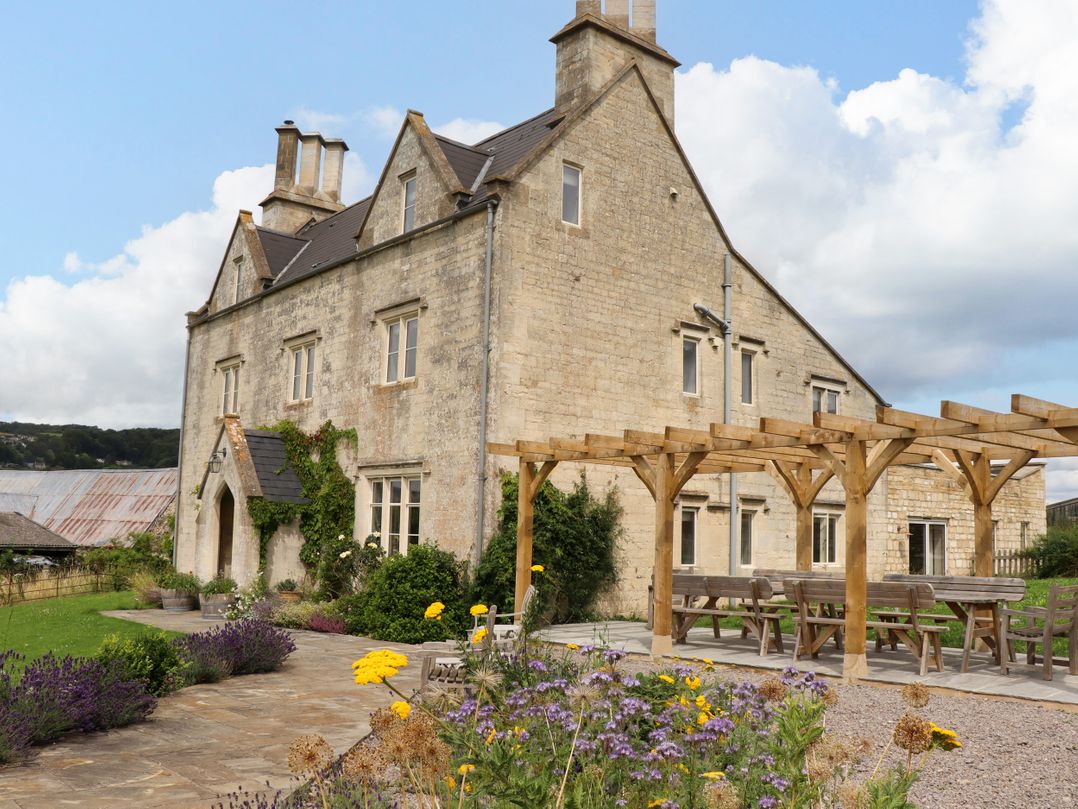
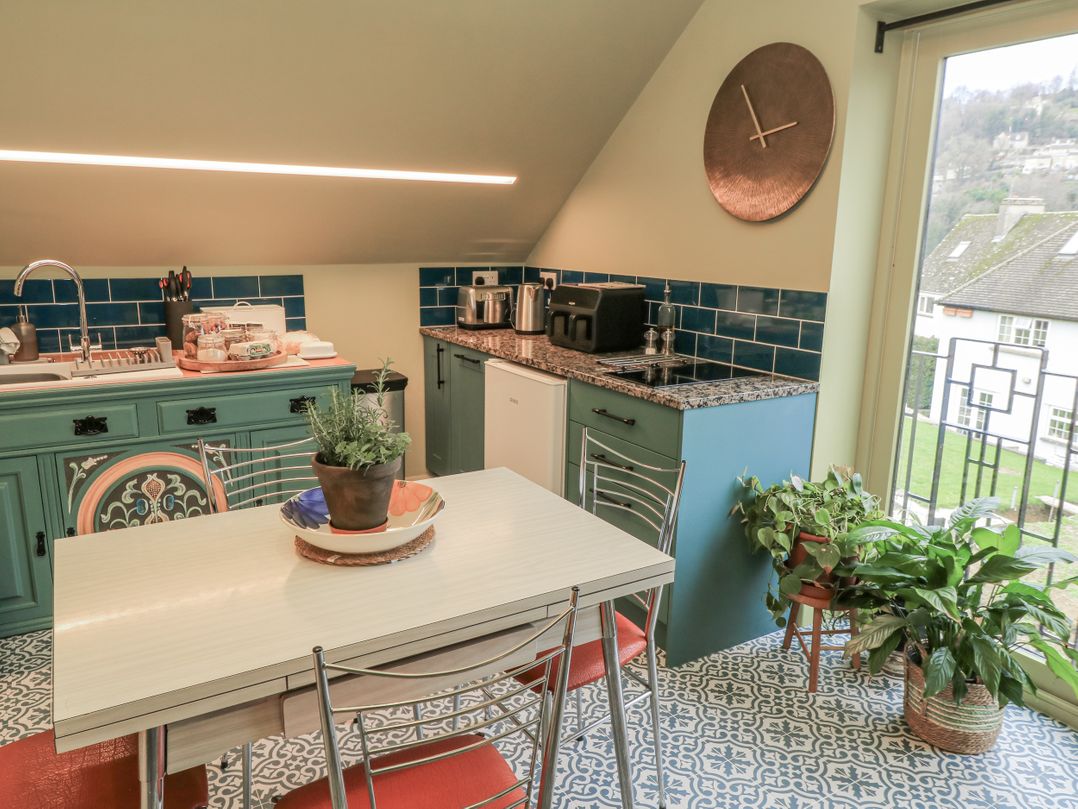
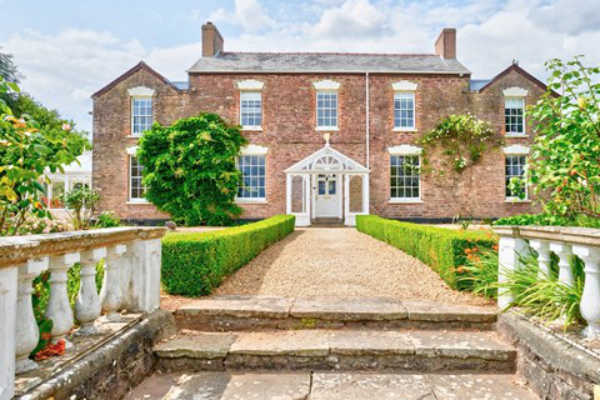
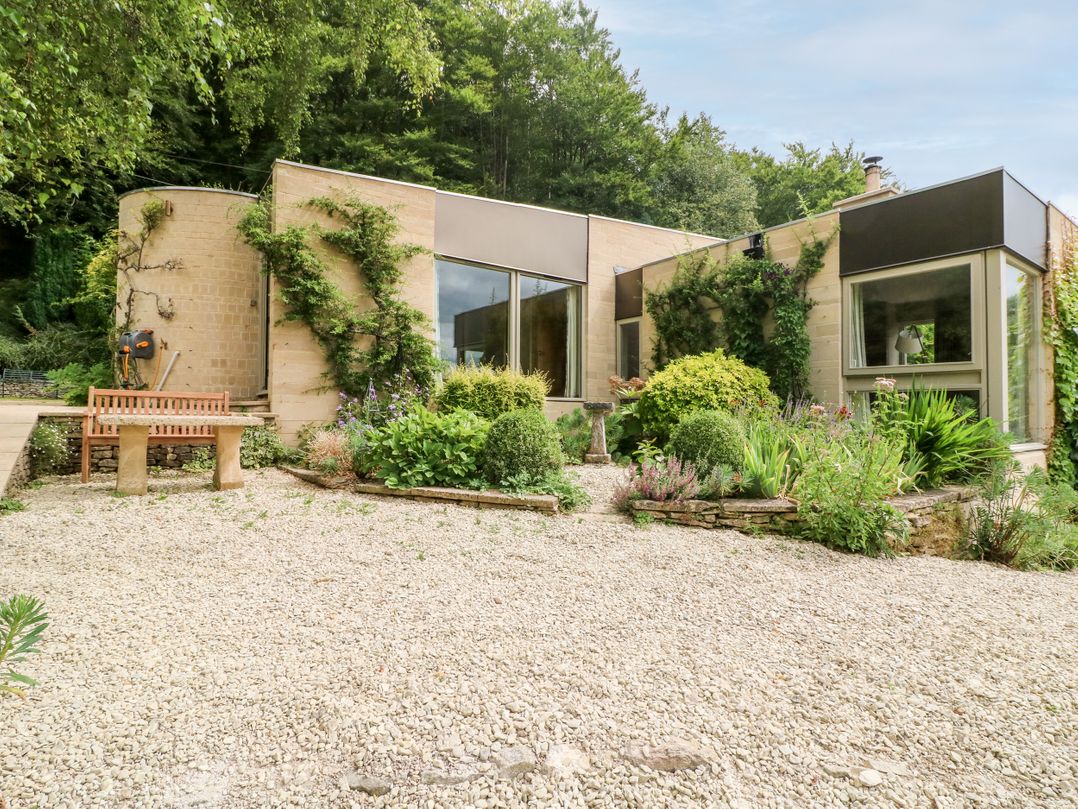
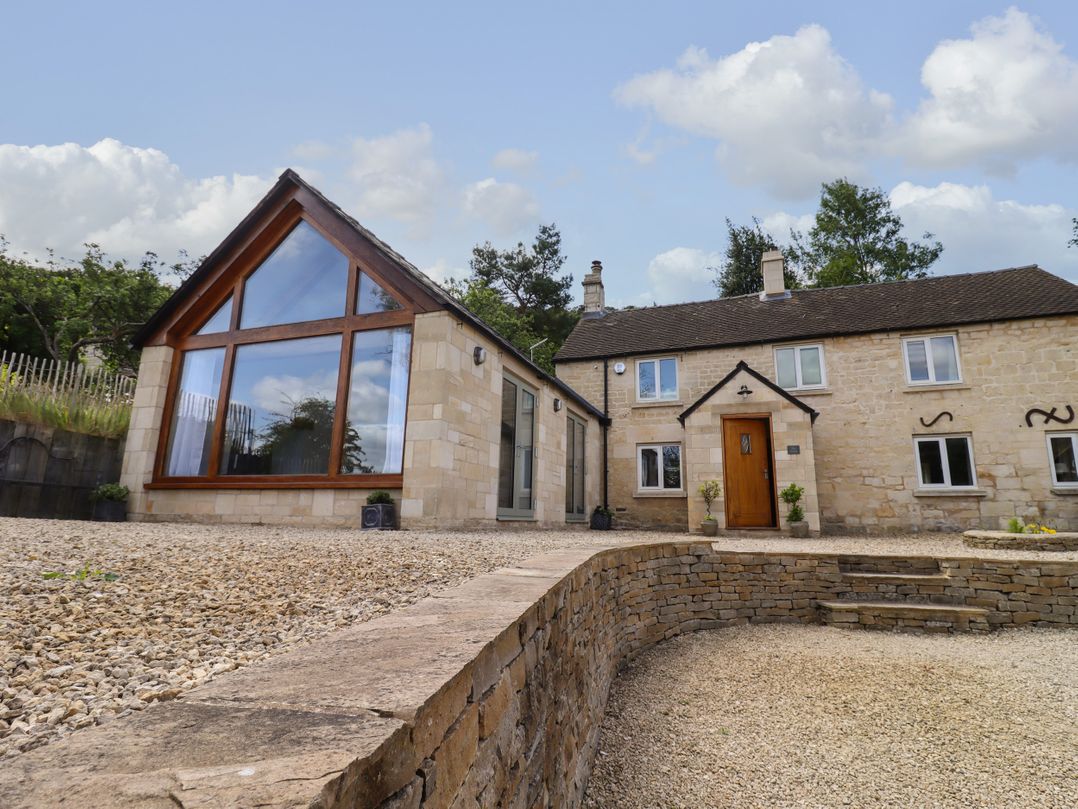
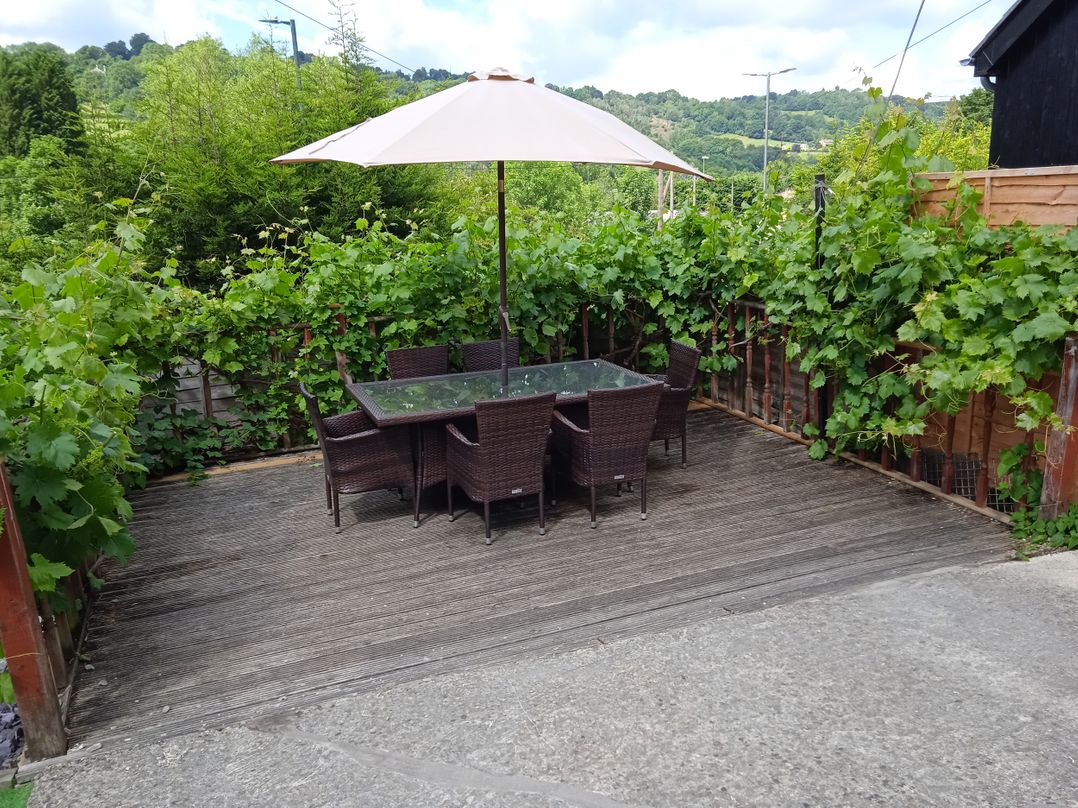
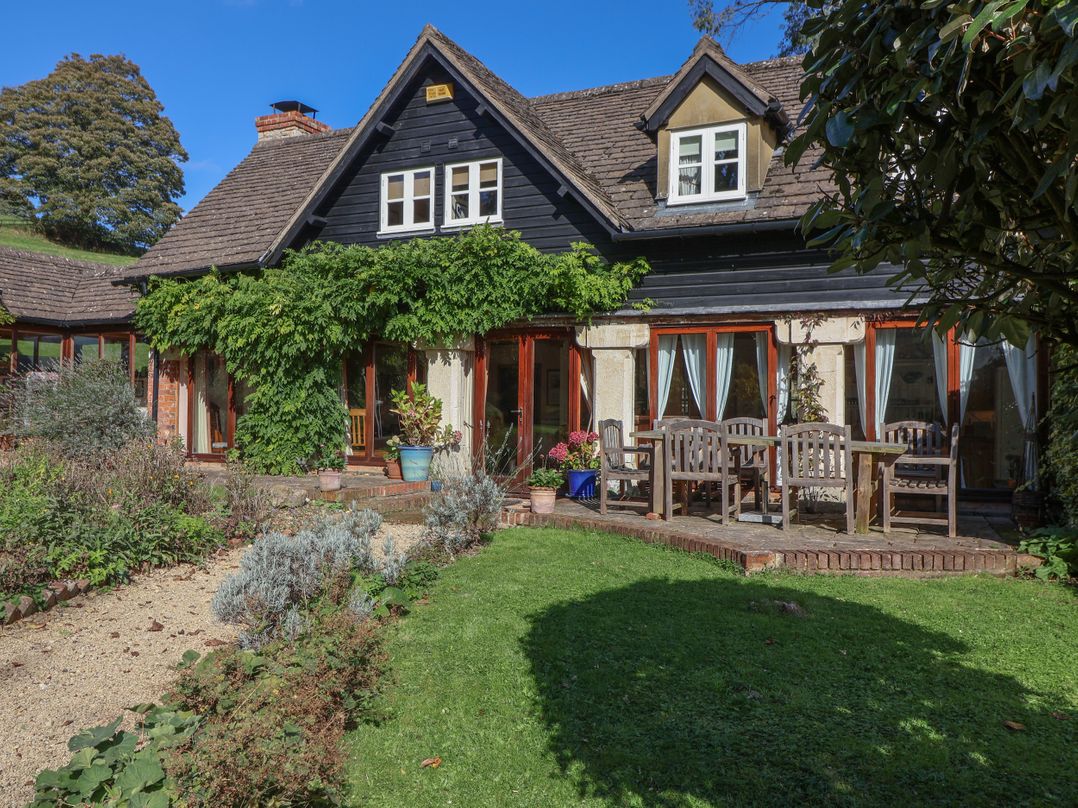
Holiday cottages in the Bisley area of Gloucestershire.
 Dog friendly
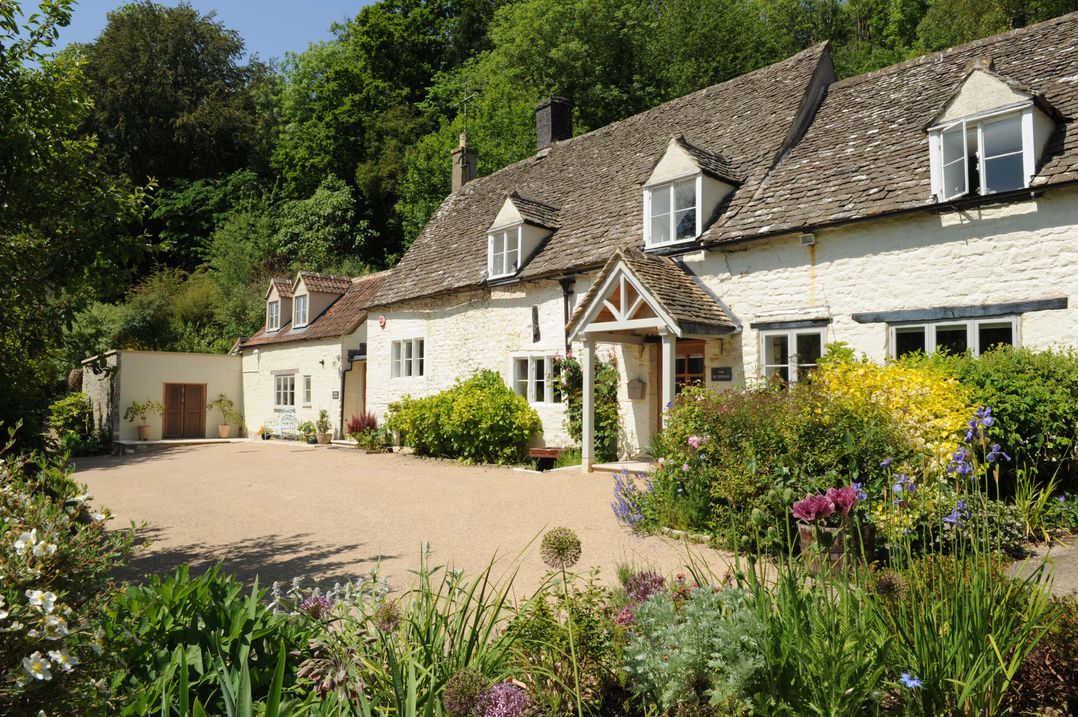 Dog friendly
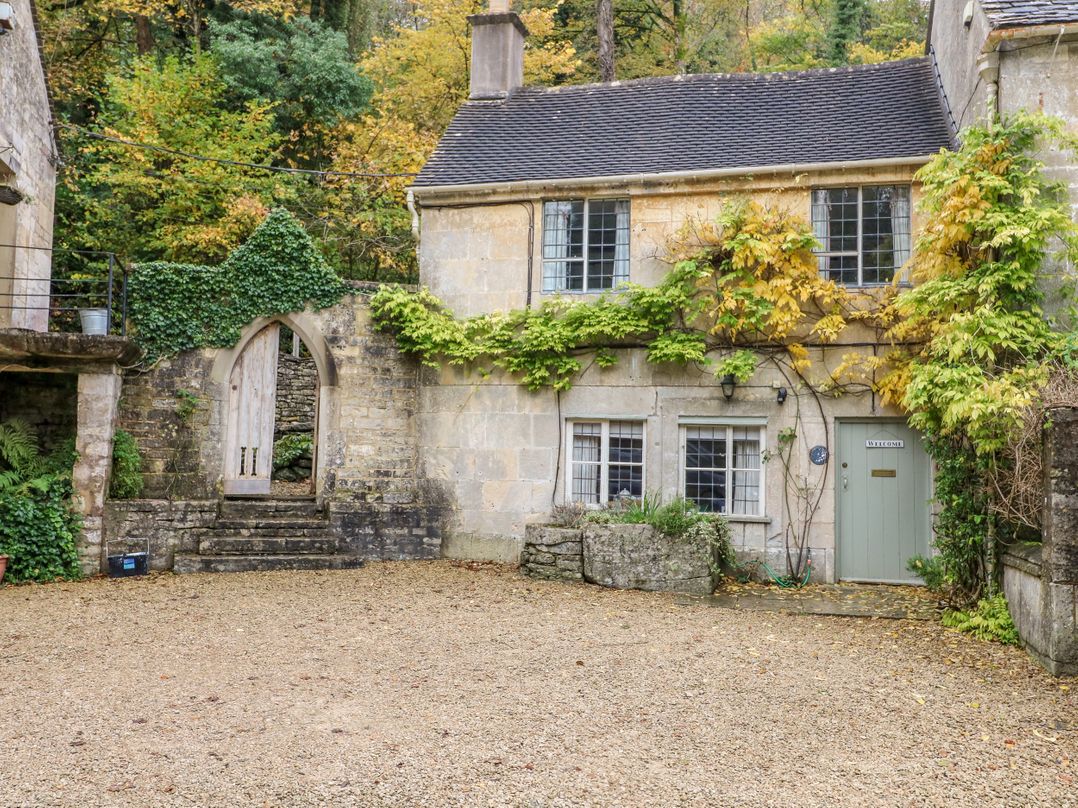 Dog friendly
 Dog friendly
 Dog friendly
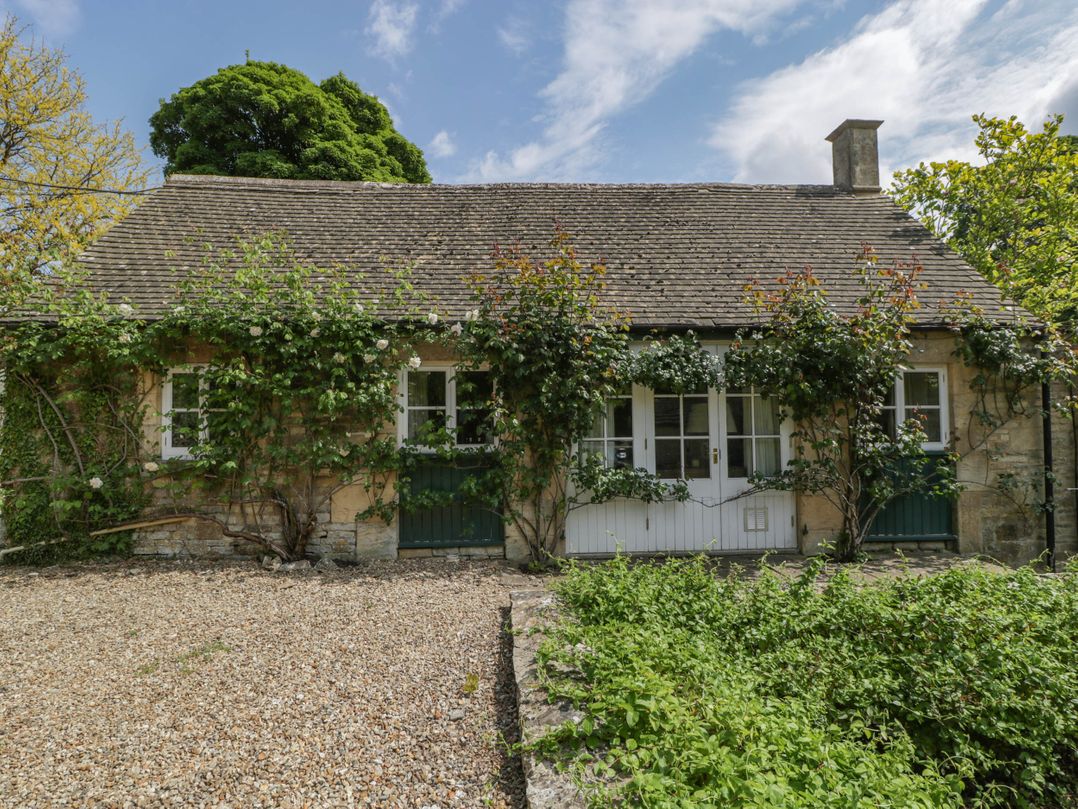 Dog friendly
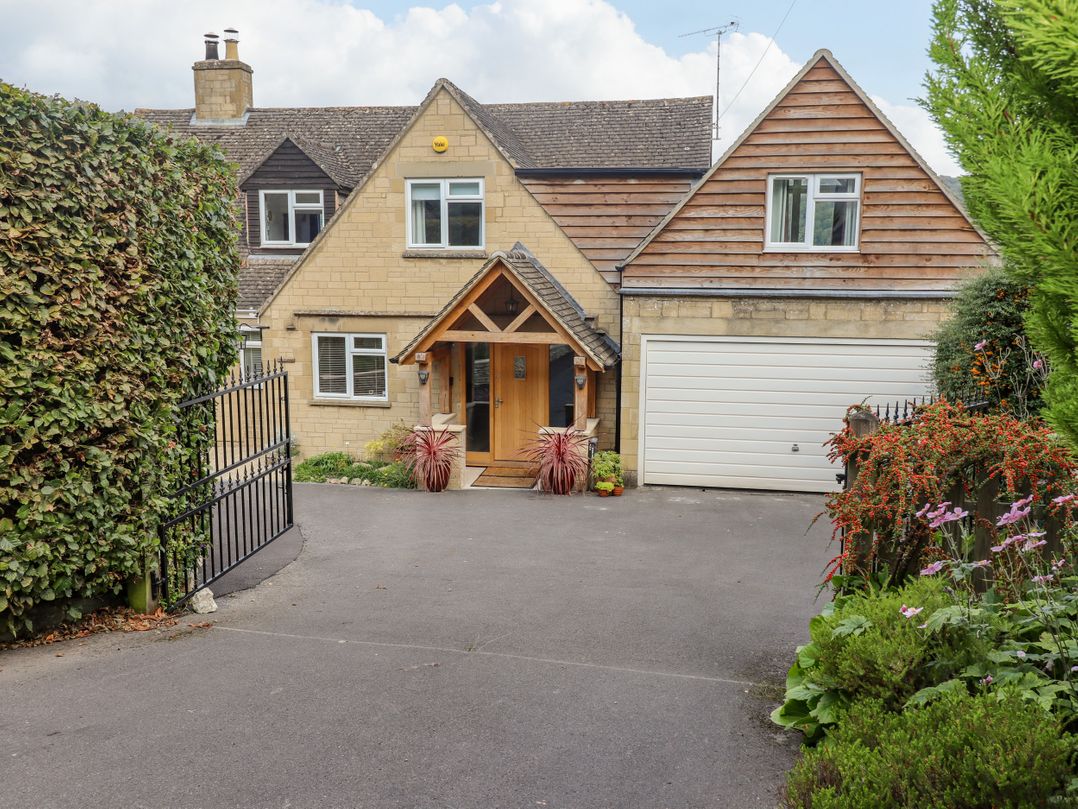 Dog friendly
 Dog friendly
 Dog friendly
 Dog friendly
Bisley is located 5 miles south of Stroud and is easily accessible by car via the A46. You can also take a train to Stroud station, then catch a local bus or taxi to the village.
Permalink: How to visit Bisley?
Over the years, Bisley has been home to a number of notable residents. The village was associated with Thomas Keble, an influential nineteenth-century clergyman and educational reformer. More recently, author Dame Jilly Cooper lived in the village for many years and became one of its best-known modern residents.
Musician Mike Oldfield also had connections with the area and lived at Througham Slad Manor during the 1970s. The wider parish has attracted artists, writers and creative figures because of its peaceful setting and beautiful countryside. These associations add another layer of interest to Bisley's history and demonstrate the enduring appeal of the village as a place to live and work.
Permalink: What famous people have lived in Bisley?
One of Bisley's most distinctive and unusual traditions is its annual well dressing ceremony. This custom is associated with All Saints' Church and the village's historic water supply. During the event, local schoolchildren decorate the village wells with flowers and greenery in a celebration that gives thanks for clean water and the restoration of the wells in the nineteenth century.
Well dressing traditions are relatively uncommon in England and are more often associated with Derbyshire, making Bisley's ceremony particularly notable within Gloucestershire. The event continues to attract interest from visitors and helps preserve an important aspect of local identity. It also serves as a reminder of how essential natural springs and wells once were to everyday life before modern water systems were introduced.
Permalink: What is the Bisley well dressing tradition?
Bisley is most famous for its long and distinguished history, its impressive parish church and its position within the Cotswolds Area of Outstanding Natural Beauty. Although today it is a relatively quiet village located a few miles east of Stroud, Bisley was once the centre of a much larger parish that included places such as Stroud, Chalford and Bussage. In medieval times it was one of the most important settlements in this part of Gloucestershire.
The village is particularly known for All Saints' Church, which may have origins as an Anglo-Saxon minster church and has served the community for many centuries. Bisley is also recognised for its attractive Cotswold stone buildings, historic wells and strong local traditions. Its combination of heritage, architecture and countryside setting makes it one of the most interesting historic villages in Gloucestershire.
Permalink: What is Bisley most famous for?
Bisley is surrounded by some of the most attractive countryside in the Cotswolds, making it a popular destination for walkers throughout the year. The village sits on elevated ground and provides access to a network of footpaths, bridleways and quiet country lanes that pass through rolling hills, woodland and open farmland.
Many walking routes offer impressive views across the Stroud Valleys and neighbouring Cotswold landscapes. The combination of historic buildings, peaceful scenery and relatively unspoilt surroundings appeals to both casual visitors and experienced hikers. Walkers can also explore nearby villages and landmarks while enjoying the character of a landscape that has changed relatively little over many generations.
Permalink: Why is Bisley popular with walkers?
Bisley has ancient origins and was already an established settlement by the time of the Domesday Book in 1086. Evidence suggests that the area was important even before the Norman Conquest, and historians believe that All Saints' Church may have developed from an earlier Anglo-Saxon religious centre. Fragments of Anglo-Saxon stonework found at the church support the idea that Bisley was a place of significance more than a thousand years ago.
During the medieval period, Bisley became the centre of a large parish and grew in importance through agriculture, trade and later the cloth industry. Its long history can still be seen in the village layout, historic buildings and church architecture. Few villages in Gloucestershire can trace their documented history back so far, making Bisley an especially fascinating place for those interested in local heritage.
Permalink: How old is the village of Bisley?
The area surrounding Bisley contains a remarkable collection of historic houses and estates. Among the best known are Lypiatt Park and Nether Lypiatt Manor, both of which have been associated with notable figures from British cultural and social history. The wider parish is also home to numerous listed buildings constructed from traditional Cotswold stone.
Many of these properties reflect the prosperity generated by agriculture, trade and industry over several centuries. Their architectural styles range from medieval and Tudor influences to later Georgian and Victorian designs. Visitors exploring the countryside around Bisley often encounter historic farmhouses, manor houses and cottages that contribute to the area's distinctive character and make it one of the most attractive parts of the Cotswolds.
Yes. Like many settlements in the Stroud Valleys, Bisley benefited from the growth of Gloucestershire's cloth industry. During the seventeenth, eighteenth and nineteenth centuries, woollen cloth production became a major source of employment and prosperity throughout the area. Water-powered mills in nearby valleys helped drive the industry and contributed to the economic success of the region.
Although much of the manufacturing activity took place in settlements connected to the wider parish, Bisley played an important role as a local centre for the surrounding communities. The wealth generated by the cloth trade influenced the development of local buildings, farms and businesses. Even today, the landscape around Bisley contains reminders of the industrial heritage that once helped make Gloucestershire one of England's leading cloth-producing counties.
Permalink: Did Bisley have connections to the cloth industry?
While many Cotswold villages are known primarily for their attractive stone cottages and rural charm, Bisley stands out because of its unusually rich history and historical importance. It was once the centre of a large and influential parish, has possible Anglo-Saxon religious origins and is home to traditions that have survived for centuries.
The village combines architectural heritage, fascinating folklore, strong links to the cloth industry and distinctive customs such as well dressing. Its connection to the famous Bisley Boy legend gives it an added layer of intrigue that few villages can match. Together, these features create a unique identity that makes Bisley one of Gloucestershire's most historically significant and characterful villages.
Permalink: What makes Bisley different from other Cotswold villages?
The Bisley Boy is one of Gloucestershire's most famous local legends. According to the story, the young Princess Elizabeth, who later became Queen Elizabeth I, died while staying in the village. Fearing punishment from her father, King Henry VIII, local people supposedly replaced her with a boy of similar appearance who was then raised as the future queen.
The legend attempts to explain why Elizabeth I never married and became known as the Virgin Queen. Although historians do not regard the story as factual, it has remained popular for generations and forms an intriguing part of local folklore. The tale has inspired books, articles and discussions far beyond Gloucestershire, helping to give Bisley a unique place in England's collection of historical myths and legends.
Permalink: What is the story of the Bisley Boy?
For a limited time we are offering discounted entries on Visit Gloucestershire for businesses based in the Gloucestershire area.
Find out more