You are here: Home > Gloucestershire towns and villages > Cirencester
Once an important Roman settlement, Cirencester is a growing town with good links to the motorway network yet still a quintessential Cotswolds market town.
Cirencester town centre has a mix of the usual high street names and local independent shops making it a unique shopping destination where tourists and visitors rub shoulders with residents and locals.
Here is a selection of things to do, places to eat and businesses in the Cirencester area of Gloucestershire.
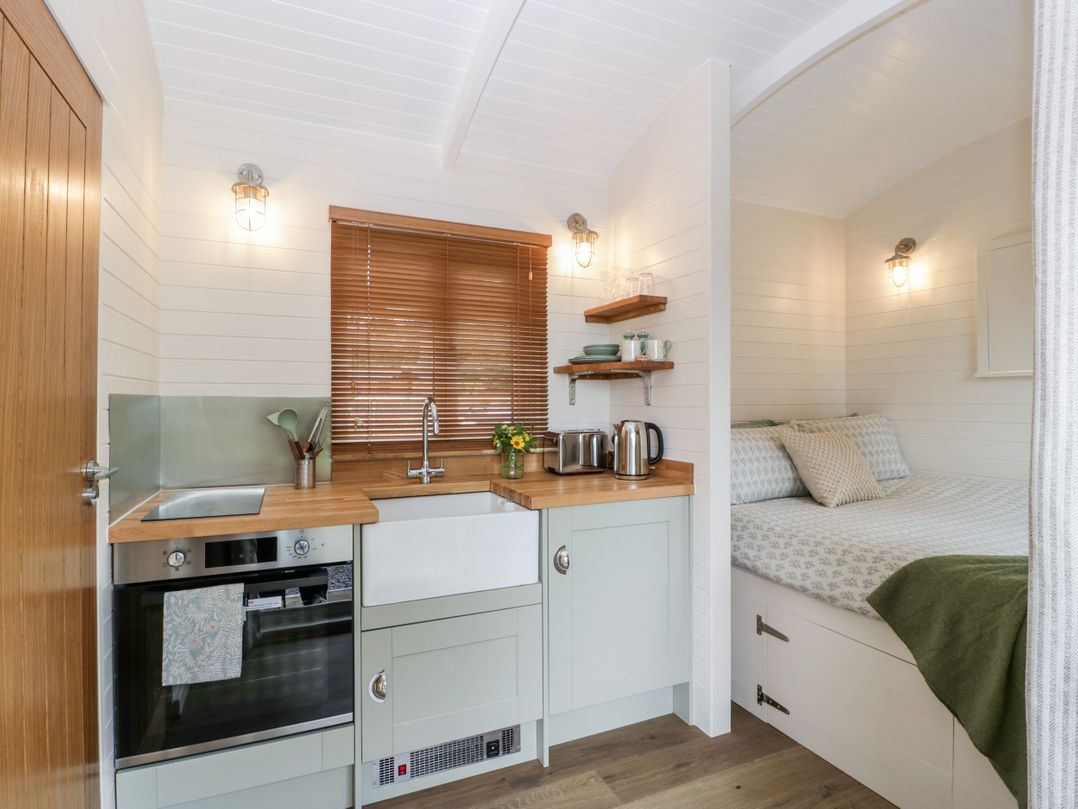
Cosy Gloucestershire country cottages, town centre apartments, luxury holiday cottages, romantic retreats, dog friendly cottages, cottages with an open fire, family holiday cottages and much more.
Website for the historic Roman town of Cirencester.
Places to stay in Cirencester, things to do, places to visit, events and restaurants in Cirencester.
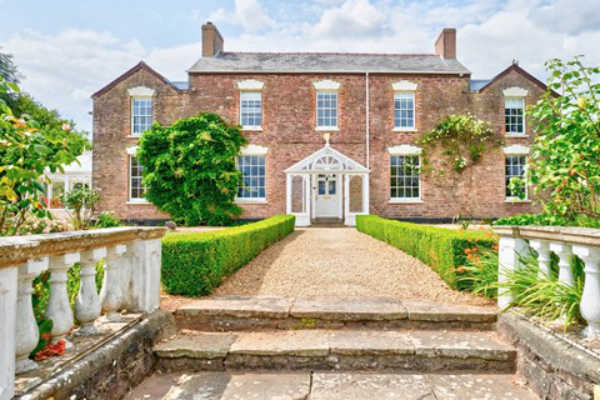
The Old Brewhouse in Cirencester is a delightful 17th Century town house bed and breakfast full of charm and character, sympathetically restored and refurbished offering high quality bed and breakfast
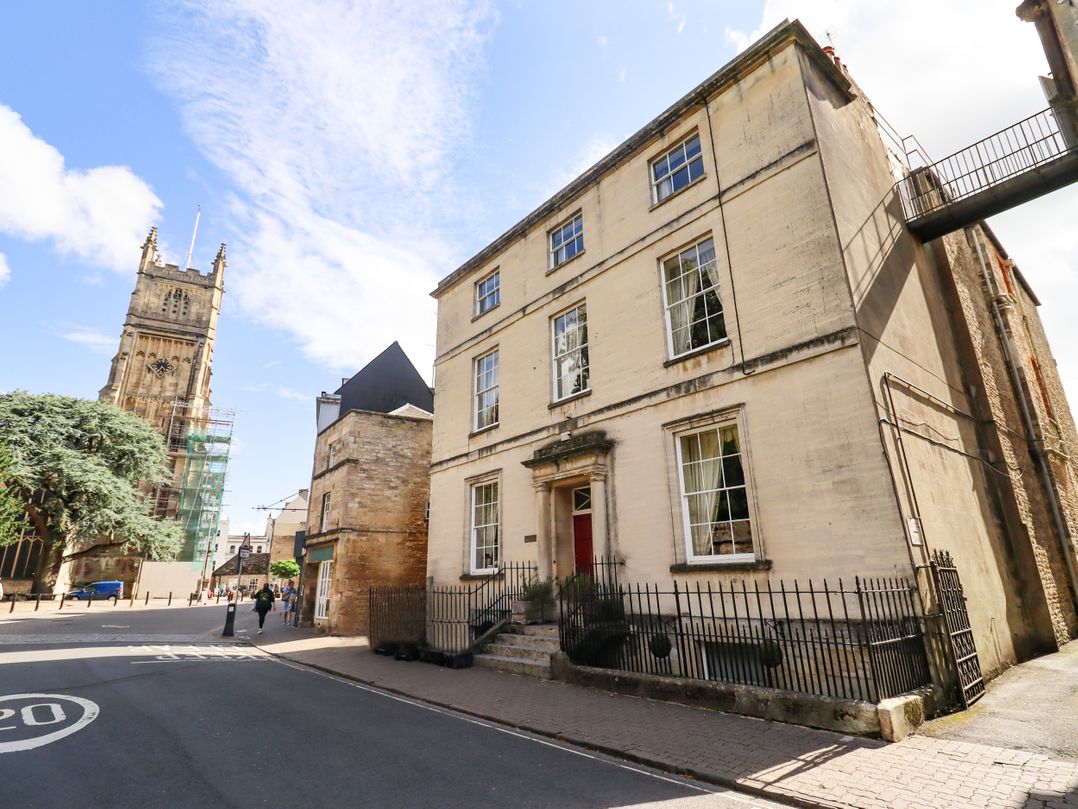
The Corinium Hotel is a delightful small hotel enjoying a quiet location in one of the oldest streets in Cirencester, known as the Capital of the Cotswolds, yet it is only a five minute walk to the Market Place, the heart of the Cirencester.
R Scott & Co opened its doors to customers way back in 1905.
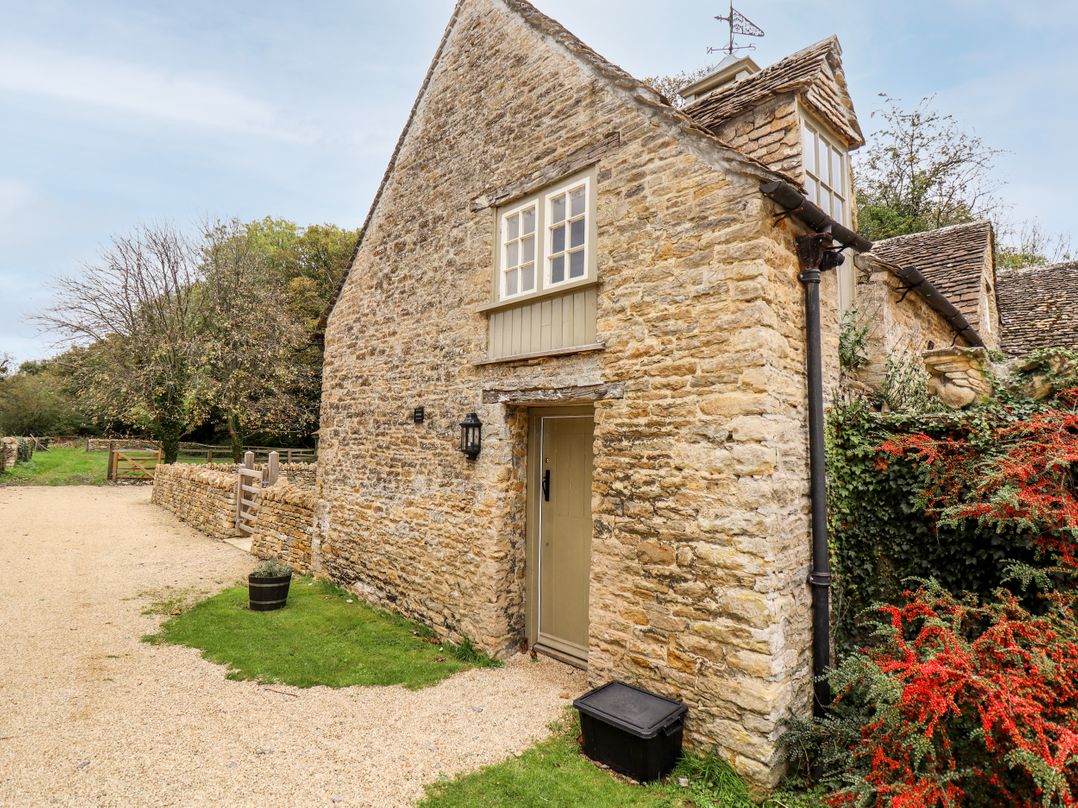
Holiday cottages in the Cirencester area of Gloucestershire. Bring your four-legged friend to the Capital of the Cotswolds.
Cirencester offers a charming blend of history, natural beauty, and vibrant culture. Here are five compelling reasons to explore this picturesque town:
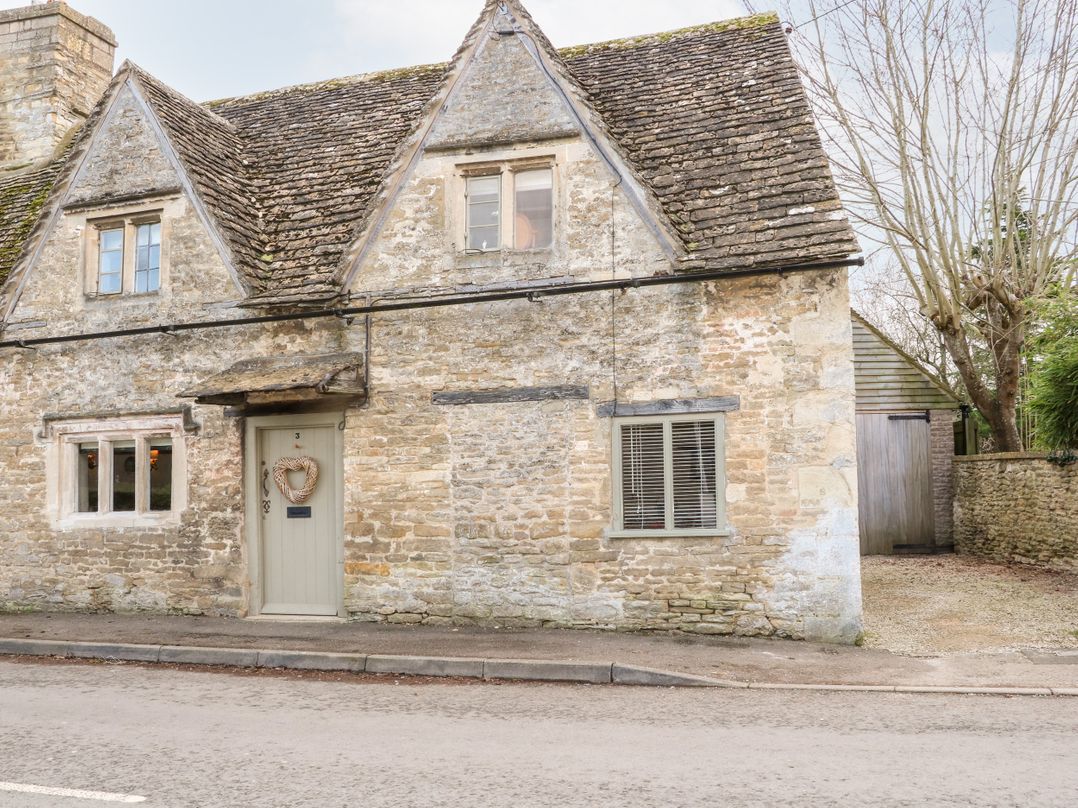
Discover holiday cottages in Cirencester and surrounding area of the Cotswolds.
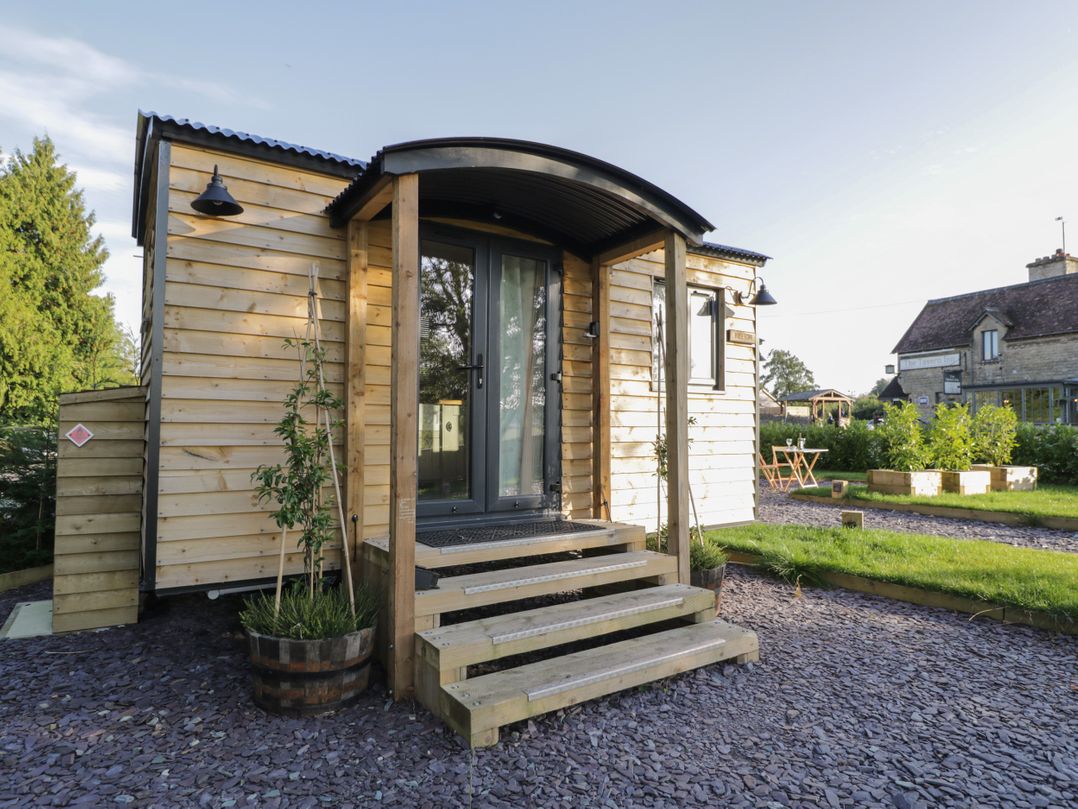
Dog friendly
Dog friendly
Dog friendly
Dog friendly
Dog friendly
Dog friendly
Dog friendly
Johanna Hamer, of Bishops Cleeve in Gloucestershire, is taking on the brave challenge of a wing walk, to mark her 80th birthday and raise funds for Midlands Air Ambulance Charity.
Read BlogCirencester offers a fascinating mix of historical, cultural, and outdoor attractions that appeal to all types of visitors:
Permalink: What are the top attractions in Cirencester?
Permalink: What are some interesting facts about Cirencester?
Cirencester has a history that spans more than two millennia. Its origins can be traced back to the Roman conquest of Britain around AD 43, and it quickly developed into the thriving Roman town of Corinium Dobunnorum by around AD 75. During the second and third centuries AD, Corinium was the second-largest settlement in Britain, covering over 240 acres and acting as a major administrative and commercial centre. After the Romans left, the town continued to flourish throughout the medieval period, especially as a centre for wool and textile production. Many of Cirencester's streets and buildings reflect this layered history, making it one of the most historically significant towns in the UK.
Permalink: How old is Cirencester?
Cirencester is located on the A417 and is easily accessible by car from Swindon and Cheltenham. The nearest train station is in Kemble, around 3 miles from Cirencester, with a bus or taxi connection available.
Permalink: How do I get to Cirencester?
Cirencester has a rich calendar of annual events and regular markets that highlight its cultural vibrancy and community spirit:
Permalink: Are there any annual events or markets in Cirencester?
No, there is not a train station in Cirencester. The nearest railway station to Cirencester is in Kemble.
Permalink: Is there a train station in Cirencester?
Cirencester, often called the 'Capital of the Cotswolds', is known for its deep historical roots, particularly from the Roman period. During Roman times, it was known as Corinium Dobunnorum and became the second-largest town in Roman Britain after Londinium (modern-day London). The town is renowned for its Roman heritage, which is showcased at the Corinium Museum. Today, Cirencester is equally famous for its stunning Cotswold stone architecture, lively town centre filled with independent shops and cafes, and access to natural beauty such as the Cotswold Lakes (previously known as the Cotswold Water Park) and Cirencester Park. Its historic Market Place is still a vibrant hub for weekly markets and local events.
Permalink: What is Cirencester known for?
For a limited time we are offering discounted entries on Visit Gloucestershire for businesses based in the Gloucestershire area.
Find out more