Discover St Briavels in the Forest of Dean
a blog by Lucy Rabone
St Briavels is one of those places that just seems to have it all - history, scenery, art and architecture. Discover this pretty village on the south-western edge of Gloucestershire.
You are here: Home > Visit Gloucestershire Blog > Discover St Briavels in the Forest of Dean
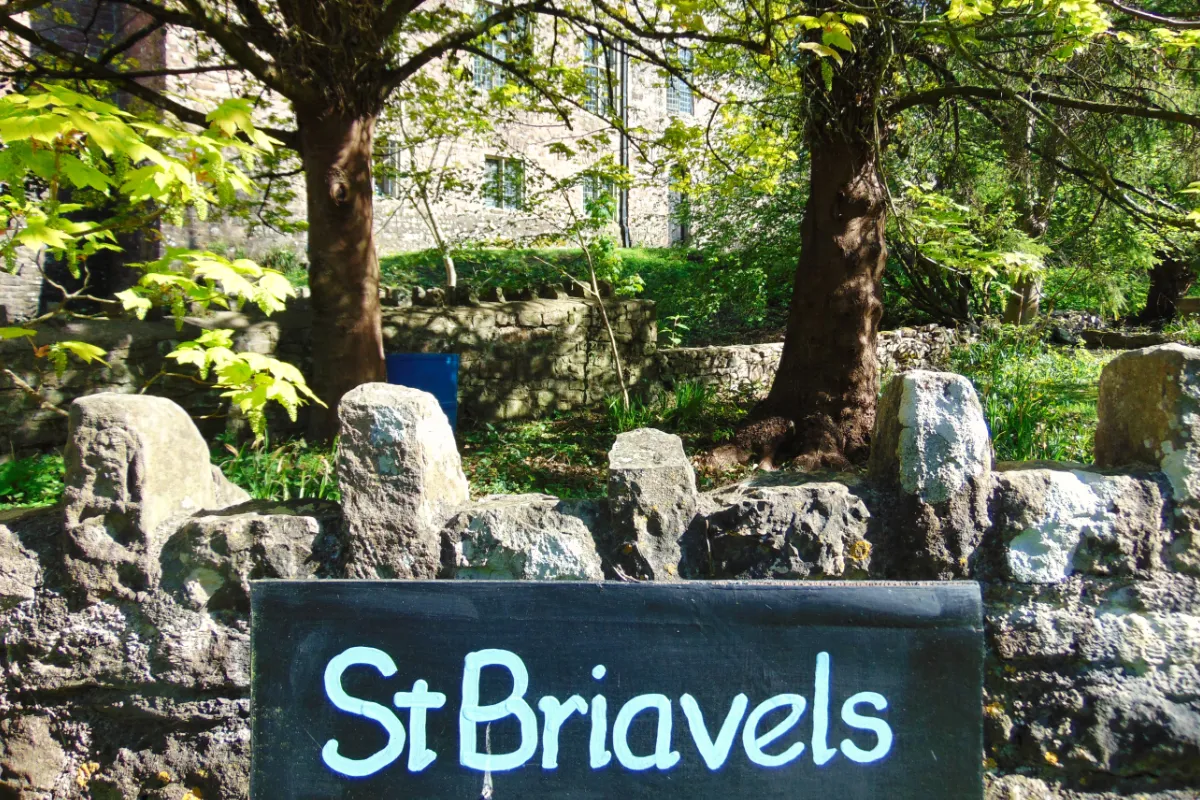
Photo - Lucy Rabone
St Briavels, Forest of Dean - An Introduction
Published: June 6, 2026 - Last updated 14 September 2026
Lucy Rabone
St Briavels is one of those places that just seems to have it all - history, scenery, art and architecture.
We've been visiting this peaceful, pretty village, on the south-western edge of Gloucestershire for a few years now, and it never disappoints. Sitting 900 feet high above the River Wye, right on the Welsh border, St Briavels has a strong connection with its historic past - it really does feel a little bit like going back in time. Locals wave and say hi - their quaint country cottages are kept pristine, while some are even open for crafting sessions. This Forest of Dean village's name is thought to have originated from the Celtic saint, Brieuc (British History Online). Right at the central point of the village is their impressive 12th century castle, with a charming Norman church located directly opposite. While the village shop and pub cater for locals and tourists alike.
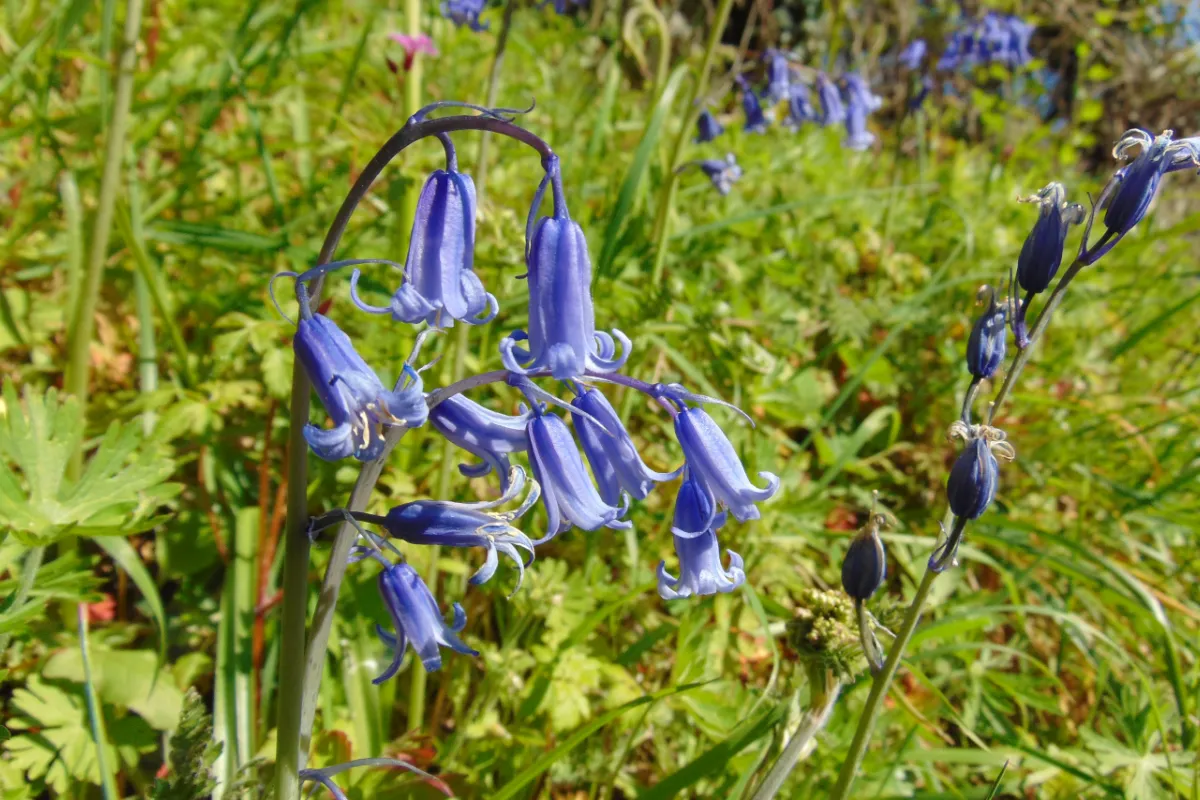
Photo - Lucy Rabone
A stroll amongst nature
One of the best ways to fully immerse yourself in any village, I find, is to simply make your way there on foot. Free parking is available at Cadora Woods car park, a minute's drive up the hill from the dramatic 160 foot high Bigsweir Bridge. Here you can breathe in the tranquility as you wander through Bigsweir Wood Nature Reserve and then clamber your way up through Quicken Tree Wood, beautifully carpeted in bluebells and wild garlic flowers during the spring - the perfect photo opportunities. Autumn is equally as stunning, when the leaves turn to shades of red, gold and yellow. Listen out for the call of the buzzards, who are at home in these woods all year round, as are the greater spotted woodpeckers. Many of the trees around this area were sadly cut down during the 1960s and replaced with a conifer plantation. The Woodland Trust are, step by step, restoring the land to its native roots, with broadleaf trees instead of the conifers. You can support their work here: Woodland Trust Membership - Woodland Trust.
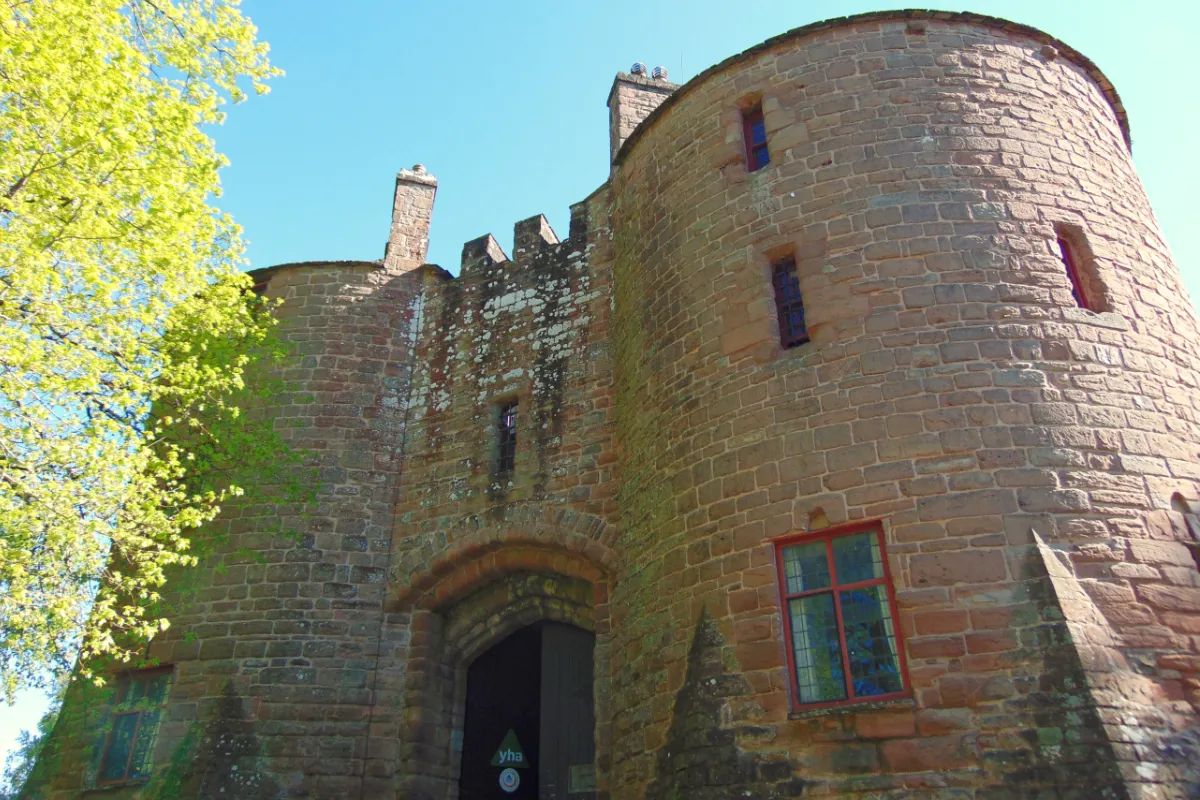
Photo - Lucy Rabone
Steeped in history
As soon as we popped out into the village, we were awestruck by St Briavels Castle. Its location on the English-Welsh border proved vital for over three centuries - it was even known as the administrative capital of the Forest of Dean during the middle ages. It was used by the royal family as a hunting lodge - King John actually stayed here five times in the course of seventeen years (English Heritage).
While its proximity to forest land meant the castle was never short on resources - including iron used to forge quarrels (crossbow bolts) in the 13th century. Henry III ordered 6,000 quarrels from St Briavels in the year 1223 (AA/OS Forest of Dean & Wye Valley Guide, 1988). Nowadays, the castle is a youth hostel, which it has been since 1948 - YHA St Briavels Castle Hostel | Cheap Accommodation Wye Valley. But it's also open to the public from April until September, and is looked after by English Heritage.
The moat surrounding the castle was restored over 60 years ago, from a wild state to the gardens we see today. It's now home to a lily pond, relaxing seating areas, and is very popular with picnickers during the summer. The 13th century curtain walls of St Briavels Castle are fenced off for public safety at the moment, just until repairs have been completed.
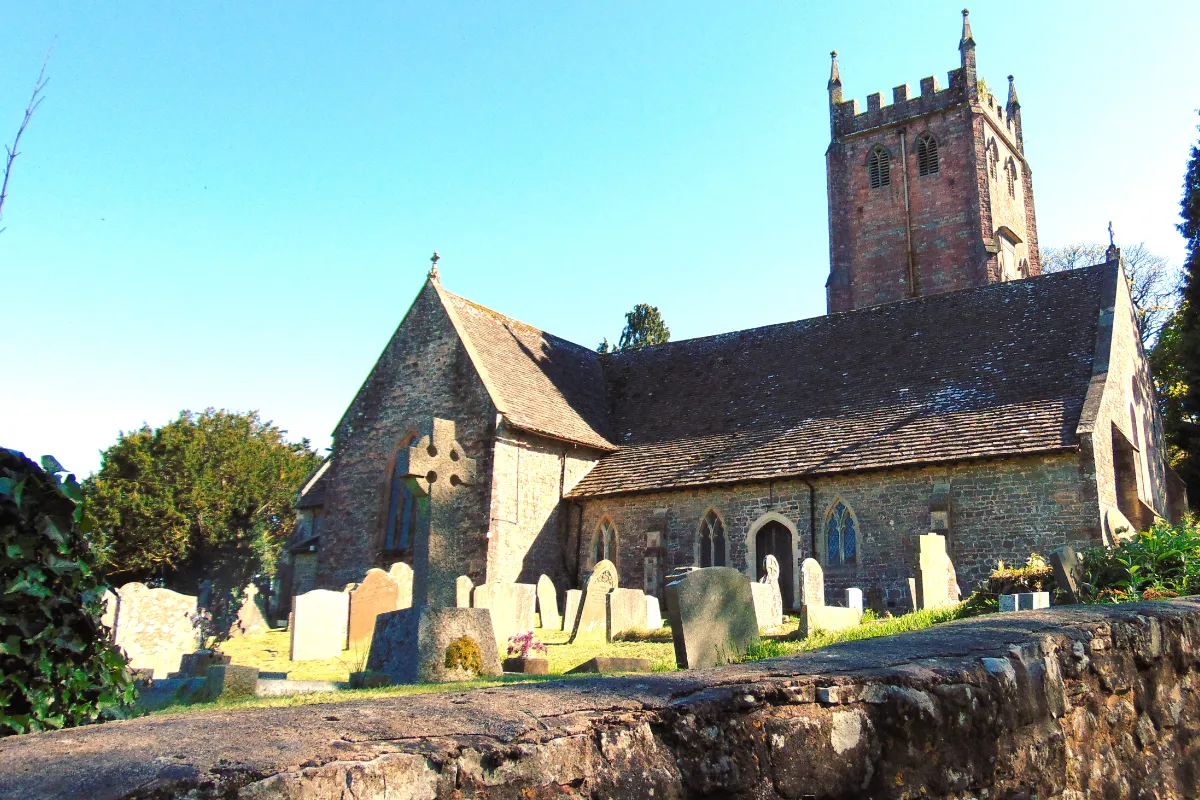
Photo - Lucy Rabone
Tradition and tranquility
Directly opposite the castle, is the church of St Mary the Virgin, which welcomes visitors throughout the week - between 9am and 4pm. This Norman church has served as a place of worship for almost 1000 years. The churchyard is very peaceful, with excellent views looking back over your route so far.
The church has a thriving group of bell ringers. There are actually eight bells within the church tower, the largest of which is over half a ton in weight! The Catchmay Tomb inside the church is also worth a look, having been saved and re-sited during the rebuilding of the Chancel in the late 1800s.
One of the highlights in the village's calendar year is Whit Sunday. After the evening's church service, St Briavels holds a centuries-old ceremony. Little bits of bread and cheese are handed out to villagers outside the church, whilst they chant: "St Briavels water and Whyrl's wheat are the best bread and water King John ever eat" (AA/OS Forest of Dean & Wye Valley Guide, 1988). It's thought that the tradition began when the locals' right to collect wood was taken away in the 1600s by the Earl of Hereford. Rumour has it that his wife begged him to reconsider, which he did, but only in Hudnalls Wood, now known as the Hudnalls. This is probably why the gardens of many villagers have huge log stores brimming with hand-chopped wood!
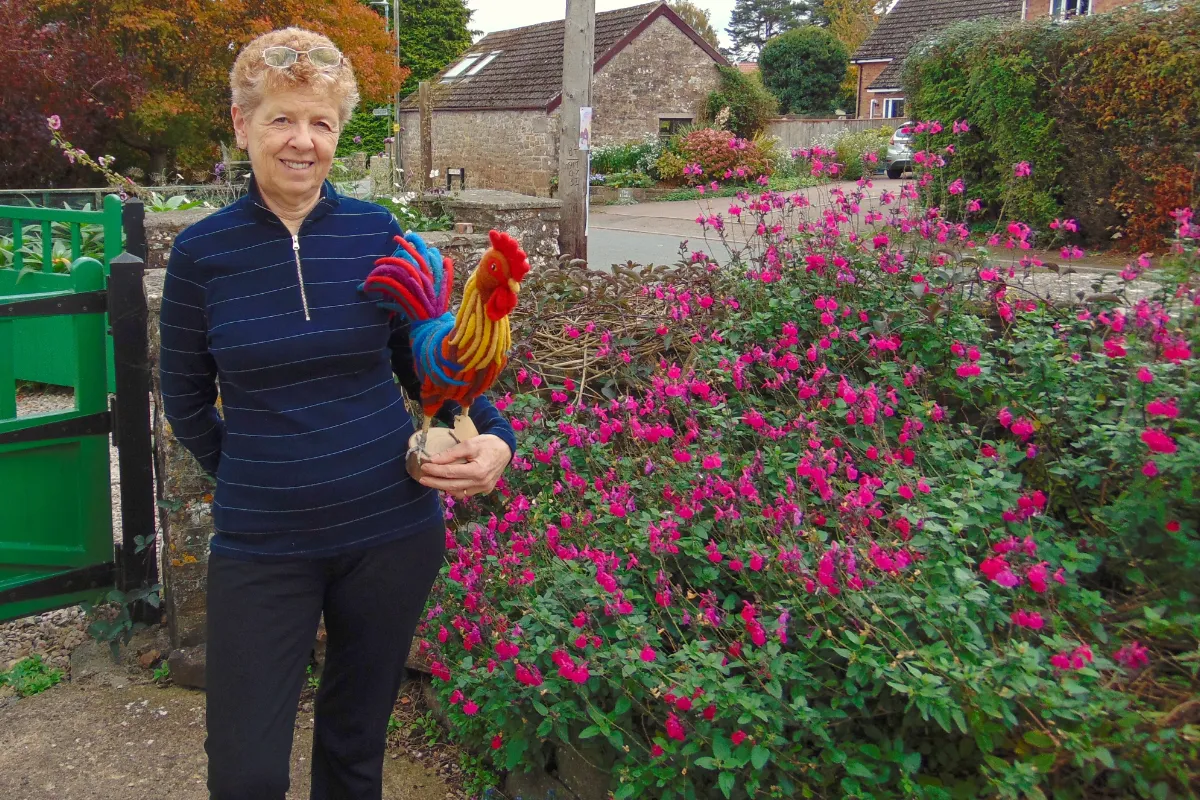
Photo - Lucy Rabone
Made by Mo Decor
On a more creative note, Mo Parker lives on the outskirts of St Briavels. Here she holds needle felting workshops and sells her artwork (find 'Made by Mo Decor' on Facebook). Every year, she also opens her workshop to the public as part of the farOpen Studios art trail. I popped in to take part in one of the sessions, where her little zoo of characterful flamingos, giraffes, mice, badgers and much more was on display.
She loves living in this part of Gloucestershire, where life is simple and accented by strolls and serenity. It was amazing to be given the opportunity to use natural fibres to create artwork, whilst also being made conscious of our part to play in protecting the environment.
Mo loves to needle felt with British sheep wools, including Shetland, Dorset Horn, Cheviot and Herdwick, and she is particularly fond of the rarer breeds. Unlike plastic-based 'wools', sheep wool can be composted down when no longer needed. She loves the totally natural cycle, that the wool comes from the sheep, is composted down and then the sheep grows it again. Amazing.
Mo has been felting for over eight years now, ever since she retired, for relaxation but also sociability. She said: "I've always been into sewing, but it was at a craft fair that I first set eyes on someone needle felting and it captured my attention. My friend went on a course and then guided me in the art; before long, we were both hooked, and we still make together to this day. Needle felting is so adaptable and fun - I can sit in an armchair in the evening or even take it with me to appointment waiting rooms."
When out walking in her local woodland, Mo collects interesting-looking bits of bark and wood lying around to incorporate into her work. While local wildlife is also an inspiration. She said: "I have needle felted feral wild boar and badgers in the past, but due to their reputation, people really love it or hate it! A heron was spotted locally not long ago, and so I think recreating that will be my next challenge. I like making hares as they're mystical, and mice are just so cute."
As I copied Mo's every move - picking locks of wool, furling them around my fingers, digging into them with the needle, I suddenly understood what it was to be lost in needle felting. It's that true satisfaction in making which is just beautiful - my time with Mo really was a lovely bonus to enjoying the village's more artistic side.
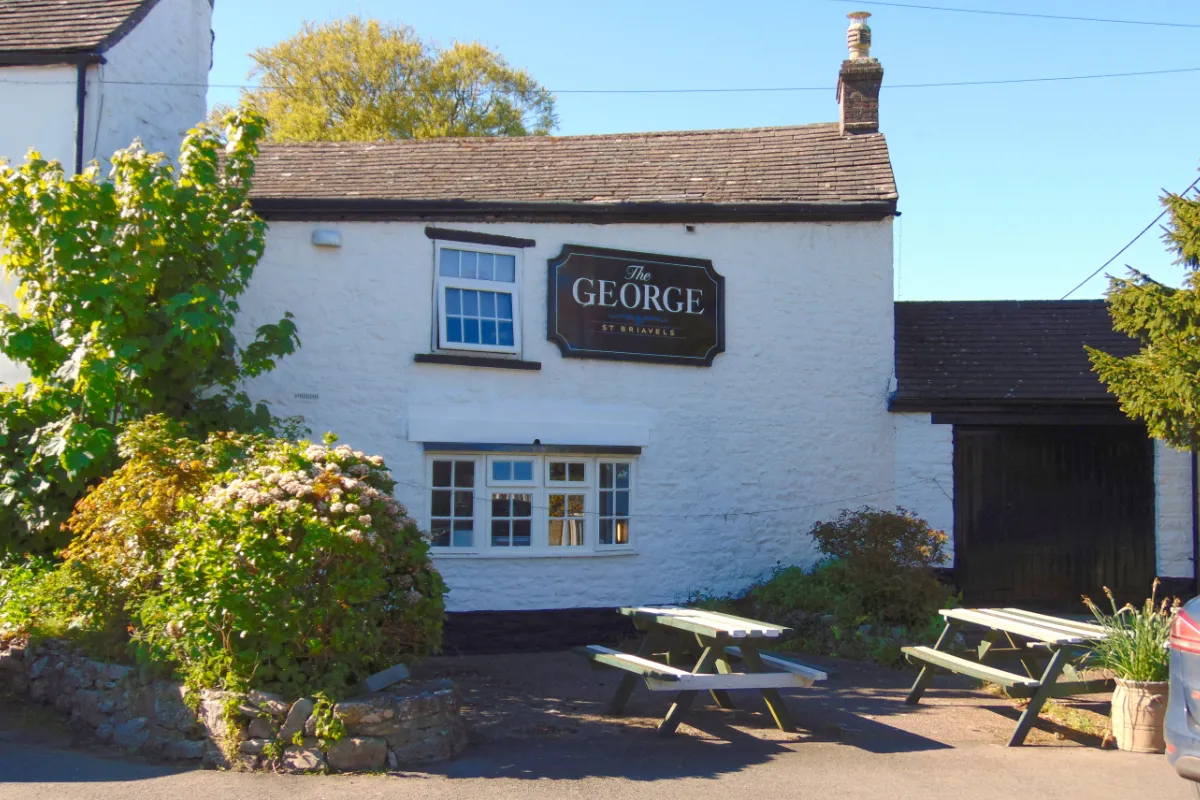
Photo - Lucy Rabone
A bite to eat
After a lot of learning, a stop off at The George Inn, open every day after midday, is ideal. The pub is bustling with a large beer garden and friendly atmosphere. Keep an eye out on their Facebook page to see when they next have a live music event on. You can even grab the opportunity to make a weekend of this village visit, by staying in one of their guest rooms - George Inn, Saint Briavels - 2026 Reviews & Information.
While The Pantry (the St Briavels community shop) is extravagantly stocked with the best local produce around, as well as quality everyday supplies. They boast a deli counter, offering locally produced wild boar sausage rolls, bacon, patés, and a range of cheeses made within the county and over in Wales. The shop was set up in 2014, and is run by a Community Benefit Society, meaning all profits are invested back into the shop, while any extra goes to local community projects - The Pantry, St Briavels.
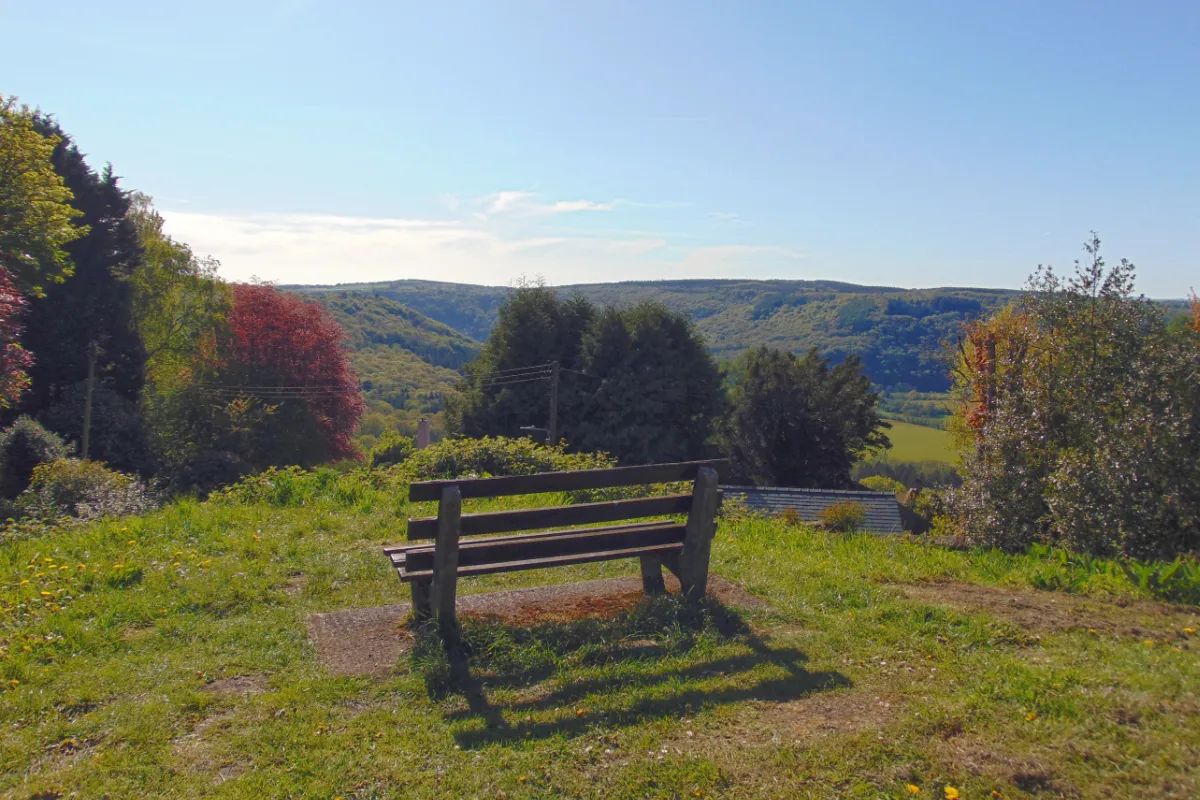
Photo - Lucy Rabone
Claim to fame
St Briavels Mount, a lovely green, is a perfect spot to sit and relax, taking in views over towards Llandogo. The bench furthest away from the castle was actually used in the filming of Netflix's series 'Sex Education'. If you've watched it, you'll know that the character Jackson and his adoptive mum Sofia sat on this very bench in one scene. But in everyday life, this bench is perfect for map reading, and inspires many to follow the public footpath sign down to the lanes - whether you fancy a half an hour stroll or a few hours of hiking. A route we often take ventures over to the neighbouring village, Coldharbour and down through the ancient woods of Lower Meend, with its natural springs and streams. There are many different footpaths, offering a chance to see Bigsweir Bridge up close, or circling back over the fields to Cadora Woods car park.
Altogether, St Briavels is the most amazing day out, offering something for all the family - whether you like to jam-pack your day with activities, or you prefer to follow your nose and see where the day leads. Go give it a try.
Blog Tags
St Briavels Forest of Dean Gloucestershire Cadora Woods St Briavels Castle

Write a Gloucestershire Blog
Write about things to do in Gloucestershire
You could write a blog about your favourite things to do in Gloucestershire and places to go, or a holiday you've taken in Gloucestershire.
Do you run a business in Gloucestershire?
The Visit Gloucestershire Blog is a great way to let people know about your product or service, or a new business venture.
In fact, write about anything Gloucestershire related!
Write about your love of Gloucestershire, your favourite Gloucestershire walk, places to eat or anything else Gloucestershire related.