Holiday cottages in Gloucestershire
Cosy Gloucestershire country cottages, town centre apartments, luxury holiday cottages, romantic retreats, dog friendly cottages, cottages with an open fire, family holiday cottages and much more.
You are here: Home > Gloucestershire towns and villages > St Briavels
Nestled on the western edge of the Forest of Dean in Gloucestershire, St Briavels is a picturesque village renowned for its rich heritage, stunning countryside, and welcoming community. Best known for its impressive medieval castle, which now serves as a unique youth hostel, the village offers visitors a fascinating glimpse into centuries of history while providing easy access to the woodland trails, scenic viewpoints, and outdoor adventures that make the Forest of Dean such a popular destination.
Whether you're exploring the area's historic landmarks, enjoying walks through ancient woodland, or simply taking in the peaceful rural surroundings, St Briavels provides the perfect base for discovering everything this beautiful corner of Gloucestershire has to offer.
Cosy Gloucestershire country cottages, town centre apartments, luxury holiday cottages, romantic retreats, dog friendly cottages, cottages with an open fire, family holiday cottages and much more.
St Briavels is a historic village located in the Forest of Dean district of Gloucestershire, South West England. Situated close to the border between England and Wales, the village lies approximately 5 miles (8 km) south-west of Coleford, 12 miles (19 km) north of Chepstow, and around 20 miles (32 km) west of Gloucester.
Perched on a hillside overlooking the Wye Valley, St Briavels enjoys a picturesque setting surrounded by rolling countryside, ancient woodland, and some of the region's most scenic walking and cycling routes. Its location on the western edge of the Forest of Dean makes it an ideal base for exploring both the forest itself and nearby attractions such as the River Wye, Tintern Abbey, Symonds Yat, and the Wye Valley Area of Outstanding Natural Beauty.
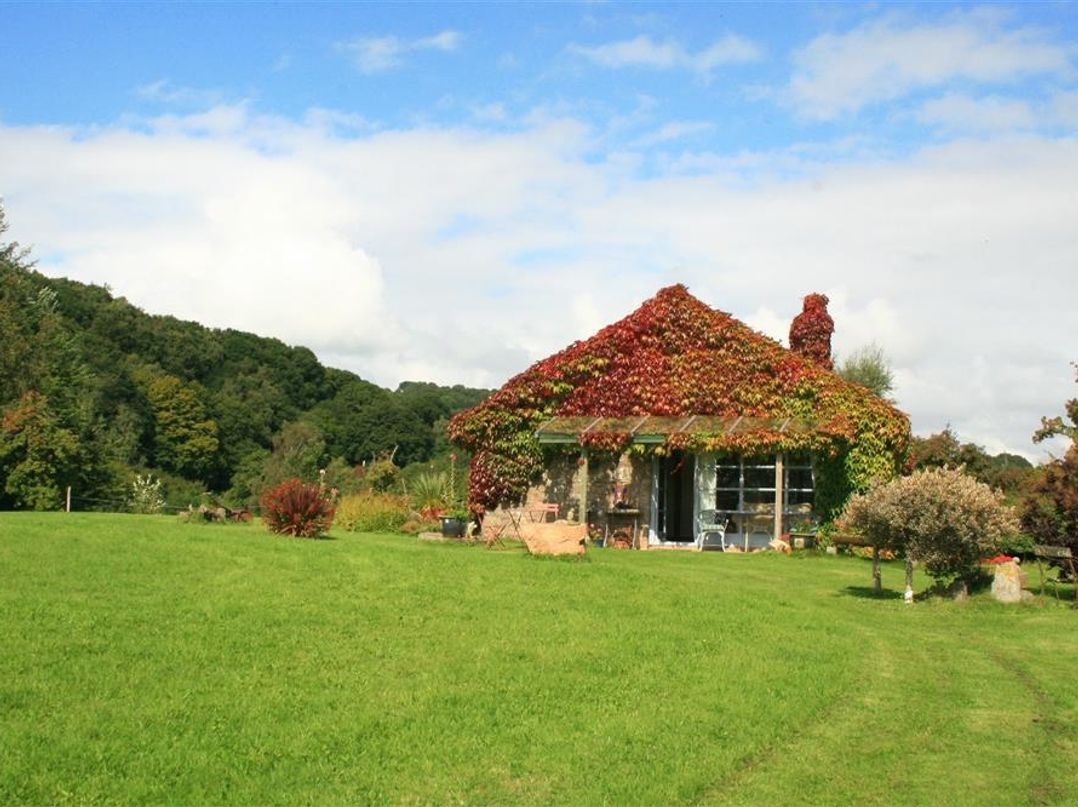
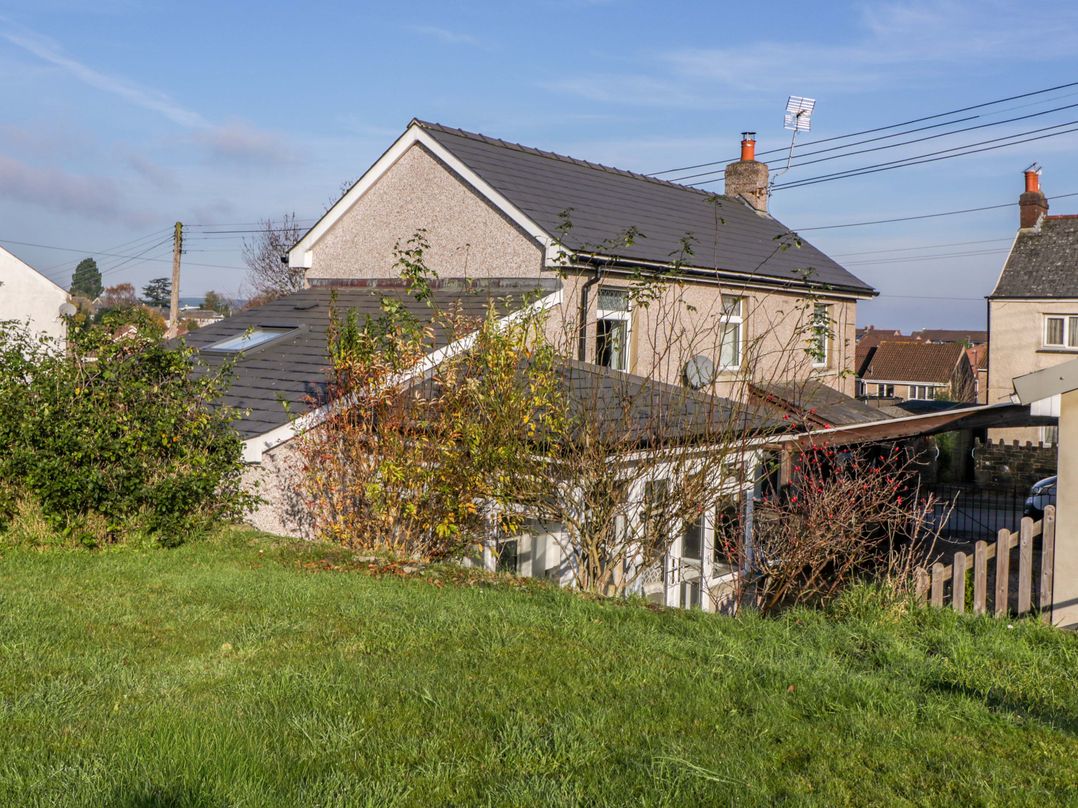
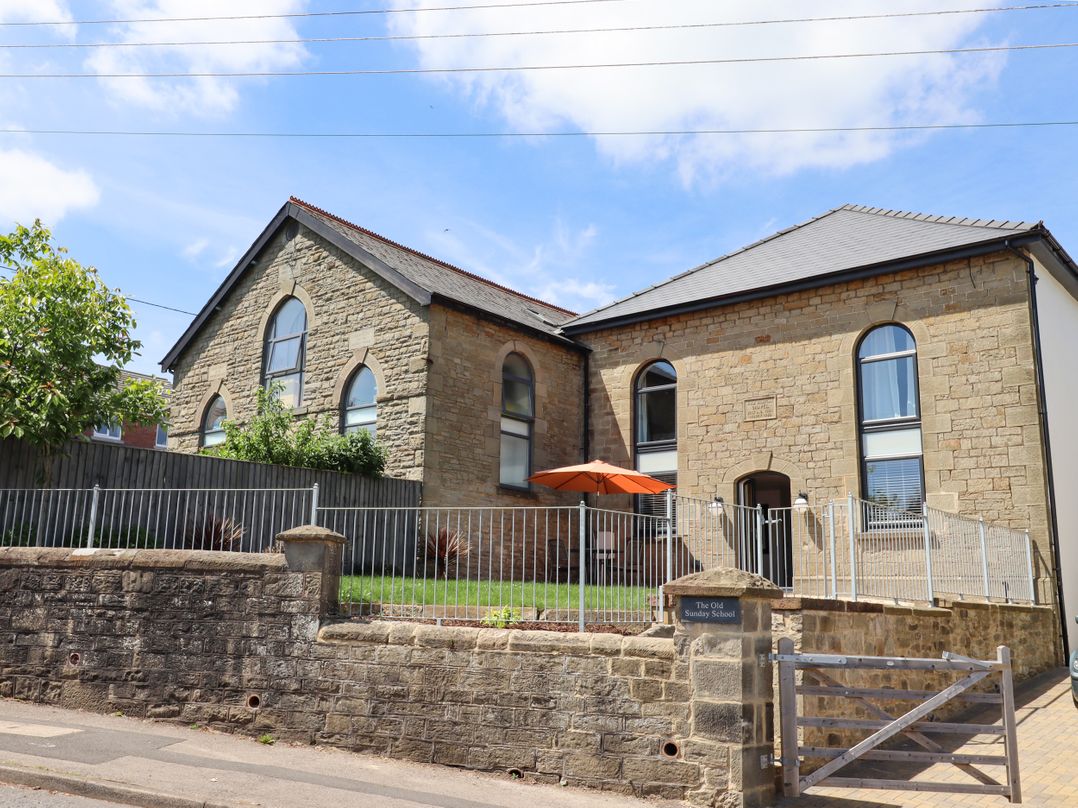
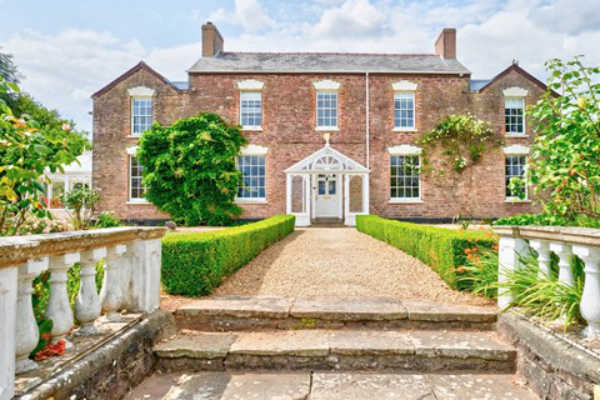
Holiday cottages in the St Briavels area of the Forest of Dean, and nearby.
 Dog friendly
 Dog friendly
 Dog friendly
 Dog friendly
 Dog friendly
 Dog friendly
 Dog friendly
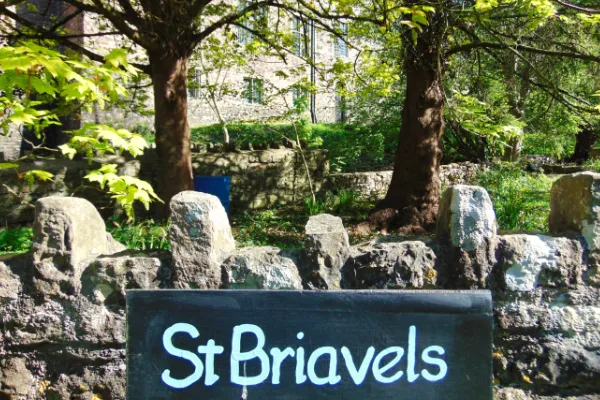
St Briavels is one of those places that just seems to have it all - history, scenery, art and architecture. Discover this pretty village on the south-western edge of Gloucestershire.
Read BlogThe Bread and Cheese Dole is one of the oldest surviving traditions in the Forest of Dean and is closely associated with St Briavels Castle. According to local custom, bread and cheese are thrown from the castle walls each year on Whit Sunday to crowds gathered below. The event is believed to date back to at least the twelfth century and may be linked to ancient rights granted by the Lords of the Forest of Dean.
Over the centuries, local people came to believe that pieces of the bread carried good luck and protection. Some miners reportedly kept fragments as charms to guard against accidents underground. Today the ceremony remains a popular community event that attracts both residents and visitors. It provides a fascinating link between modern village life and customs that have survived for hundreds of years.
Permalink: What is the Bread and Cheese Dole?
St Briavels has origins that stretch back many centuries and was already an established settlement before the construction of its famous castle. The village grew in importance during the Norman period when the Crown recognised the strategic value of its location near the Welsh border and within reach of the Forest of Dean.
By the twelfth century, St Briavels had become a significant administrative centre. Its castle, church and market activities helped establish it as one of the most important settlements in western Gloucestershire. Historical records show that the village was once more influential than its present size might suggest. Today, although it is a peaceful rural community, many features of its medieval past remain visible in its streets, buildings and surrounding landscape.
Permalink: How old is St Briavels?
St Briavels occupies a commanding position on high ground close to the River Wye and the border between England and Wales. This strategic location contributed greatly to its historical importance. During the medieval period, it allowed royal officials to oversee parts of the border region while maintaining authority over the valuable resources of the Forest of Dean.
Today the same location provides impressive views and easy access to some of the most scenic landscapes in the region. The village sits near ancient woodland, rolling countryside and dramatic river valleys, making it attractive to visitors seeking both history and outdoor recreation. Its setting remains one of the key reasons why St Briavels is such a memorable place to visit.
Permalink: What is special about the location of St Briavels?
For centuries, St Briavels served as the administrative and judicial heart of the Forest of Dean. The constable of St Briavels Castle was responsible for overseeing many aspects of forest management, including hunting rights, mining activities and legal disputes. This gave the village an importance that extended far beyond its immediate surroundings.
The Forest of Dean was one of England's most valuable royal forests because of its timber, iron ore and coal resources. Decisions affecting these industries were often connected to officials based at St Briavels Castle. Courts were held there, taxes and fines were administered and the Crown exercised its authority through local officials. This central role helped shape the history and development of the village for hundreds of years.
Permalink: Why was St Briavels important to the Forest of Dean?
St Briavels is surrounded by some of the most attractive countryside in western Gloucestershire. Situated close to both the Forest of Dean and the Wye Valley National Landscape, the village provides easy access to a network of footpaths, woodland trails and riverside walks. These routes allow visitors to experience ancient forests, dramatic viewpoints and rich wildlife habitats.
Walkers particularly enjoy the area because of its combination of natural beauty and historical interest. Routes often pass through woodland once managed as part of the royal forest and provide views towards the River Wye and the Welsh hills beyond. The village itself also serves as a convenient starting point for exploring some of the region's most celebrated landscapes.
Permalink: Why is St Briavels popular with walkers?
Cadora Woods is an ancient woodland located near the village of St Briavels in Gloucestershire, England, within the lower Wye Valley. The woodland sits close to the England?Wales border and forms part of one of the UK's most important ancient woodland landscapes.
Managed by the Woodland Trust, Cadora Woods is popular with walkers, nature enthusiasts, and visitors exploring the Wye Valley. The woodland features scenic walking trails, diverse wildlife, and seasonal displays of wildflowers, including bluebells in spring.
Permalink: Where is Cadora Woods?
Visitors to St Briavels can explore a variety of historic and natural attractions. The most prominent is St Briavels Castle, whose impressive gatehouse and surviving medieval structures provide a fascinating insight into the village's past. Nearby stands the Church of St Mary, a historic parish church with origins dating back to the medieval period.
The village itself retains much of its traditional character, with stone buildings, quiet lanes and views across the surrounding countryside. Its location near the Wye Valley and Forest of Dean also makes it an excellent base for walking, cycling and wildlife watching. Many visitors combine a visit to St Briavels with trips to nearby attractions such as Tintern Abbey, Symonds Yat and the woodland landscapes of the Forest of Dean.
Permalink: What can visitors see in St Briavels today?
Many villages in the Forest of Dean have strong connections to mining, forestry or agriculture, but St Briavels stands apart because of its unique role as a centre of royal administration. The presence of a substantial medieval castle gave the village responsibilities that extended across much of the Forest of Dean, influencing local law, industry and governance for centuries.
The village also possesses traditions and landmarks that are rare elsewhere in the region. The annual Bread and Cheese Dole, the historic castle, the medieval church and its close links to both the Forest of Dean and the Wye Valley combine to create a distinctive identity. These features make St Briavels one of the most historically rich and characterful settlements in Gloucestershire.
Permalink: What makes St Briavels different from other Forest of Dean villages?
Yes. During the medieval period, St Briavels functioned as a market settlement and commercial centre for the surrounding area. Its position near important routes through the Forest of Dean and close to the Welsh border helped attract traders, farmers and craftsmen who gathered to buy and sell goods.
The market supported the local economy and complemented the administrative functions of the castle. Agricultural produce, forest products and goods linked to the iron industry would have passed through the settlement. Although St Briavels eventually lost its status as an important market town, its historic role as a centre of trade contributed significantly to its growth and prosperity during the Middle Ages.
Permalink: Did St Briavels have a market?
St Briavels Castle is one of the most historically significant castles in Gloucestershire. Built during the Norman period and developed throughout the twelfth and thirteenth centuries, it became the administrative headquarters of the Forest of Dean. From here, officials managed royal hunting grounds, supervised mining activities and enforced forest laws on behalf of the Crown.
The castle also played an important role in England's medieval iron industry. Iron produced in the Forest of Dean was used to manufacture weapons and tools, including large quantities of crossbow bolts for royal armies. The impressive twin-towered gatehouse, largely dating from the reign of Edward I, remains one of the finest surviving examples of medieval military architecture in the region. Today the castle operates as a youth hostel while remaining an important historic monument that attracts visitors from across the country.
Permalink: Why is St Briavels Castle important?
St Briavels is best known for its remarkable medieval castle, which dominates the centre of the village and reflects the area's long association with royal administration and the Forest of Dean. Unlike many castles built primarily for defence against invasion, St Briavels Castle became an important administrative and judicial centre for the royal Forest of Dean, overseeing forest law, mining rights and local governance. The castle remains one of the village's most recognisable landmarks today.
The village is also famous for its position close to the England-Wales border and the beautiful Wye Valley. Visitors are attracted by its historic character, ancient church, surrounding woodland and strong local traditions. One of the most unusual customs is the annual Bread and Cheese Dole, a centuries-old event that continues to be celebrated each year. Together, these features make St Briavels one of the most distinctive historic settlements in the Forest of Dean.
Permalink: What is St Briavels most famous for?
For a limited time we are offering discounted entries on Visit Gloucestershire for businesses based in the Gloucestershire area.
Find out more